
I’m surprised by how fast the time is going! It’s already been over a month since I came to Europe, and I’m settling in nicely. I know how the trains work, I can confidently walk through grocery stores and I can even attempt to say a few words in Danish (and they are almost understandable). Most of last week was very relaxed for me, going to class and spending the evenings with my family.
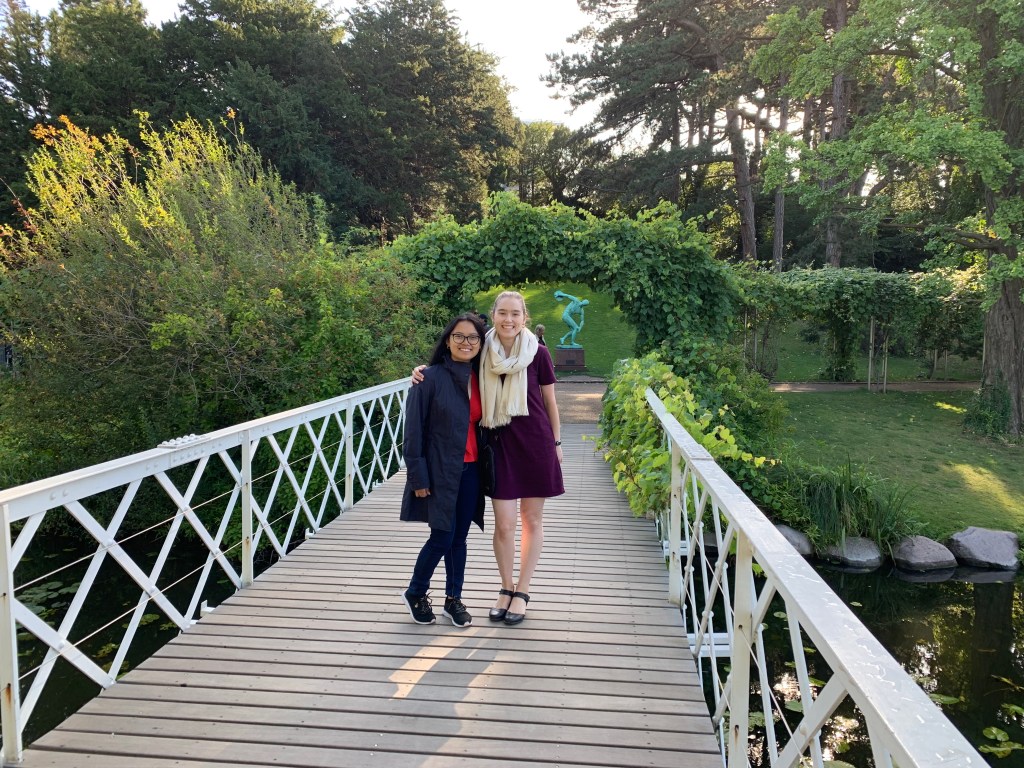
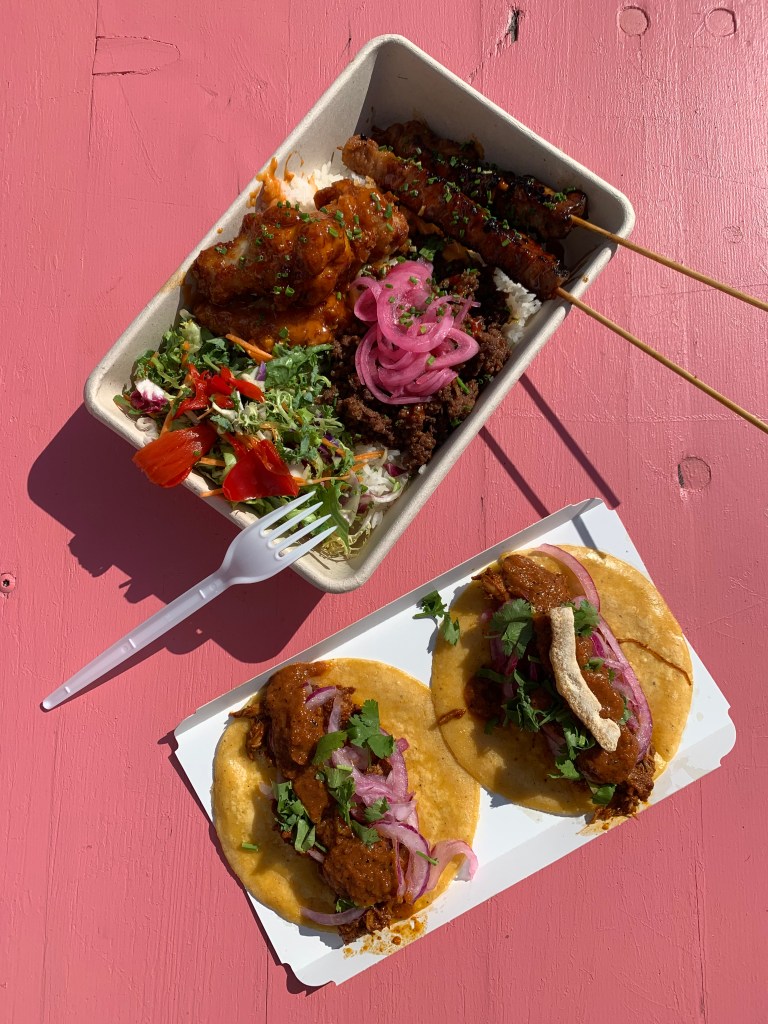
On the Saturday, I spent the day with my friend Faith. We walked around the city’s flea markets, the botanical and king’s gardens, Freetown, and ate a ton of food at Reffen. It was a really great time, and especially nice to eat foods from around the world since my host family, like my family back home, tends to keep meals pretty simple. I had momos, jerk chicken, ice cream and tacos. My favorites were definelty the tacos and the ice cream. I haven’t had a real taco in a long time for me, and it was so yummy to get a corn tortilla with just-the-right-amount-of-greasiness pork and honest to goodness salsa. The ice cream was also exceptional, not only because it was homemade but also because of this incredible strawberry marshmallow topping! Yum-o!
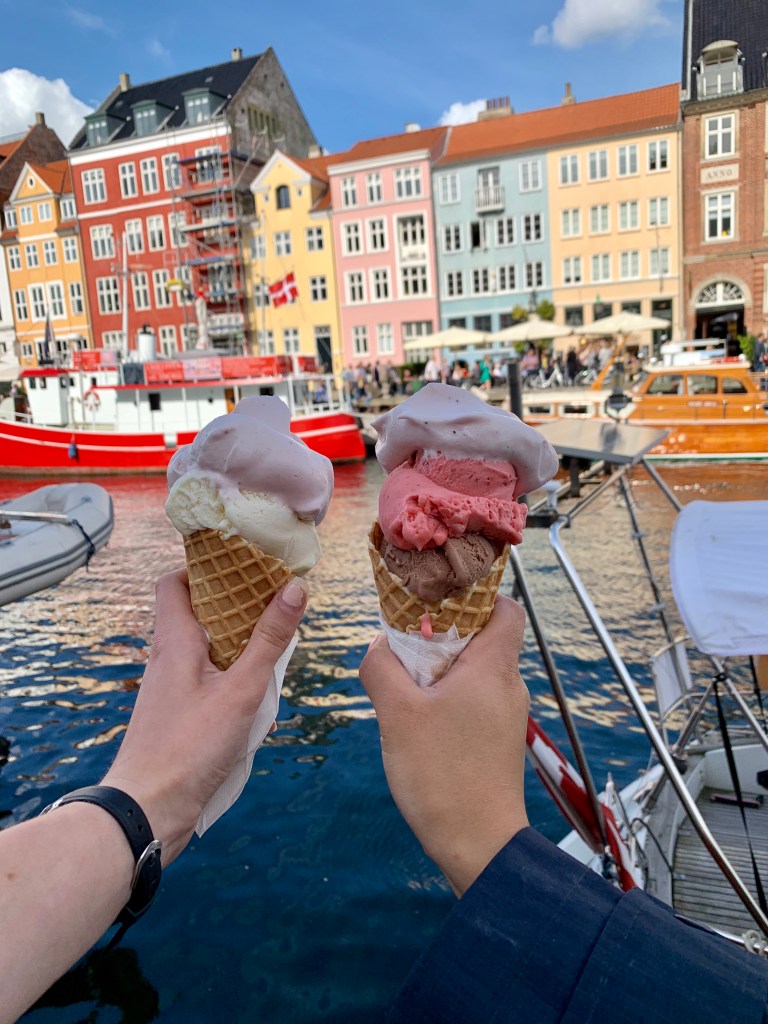
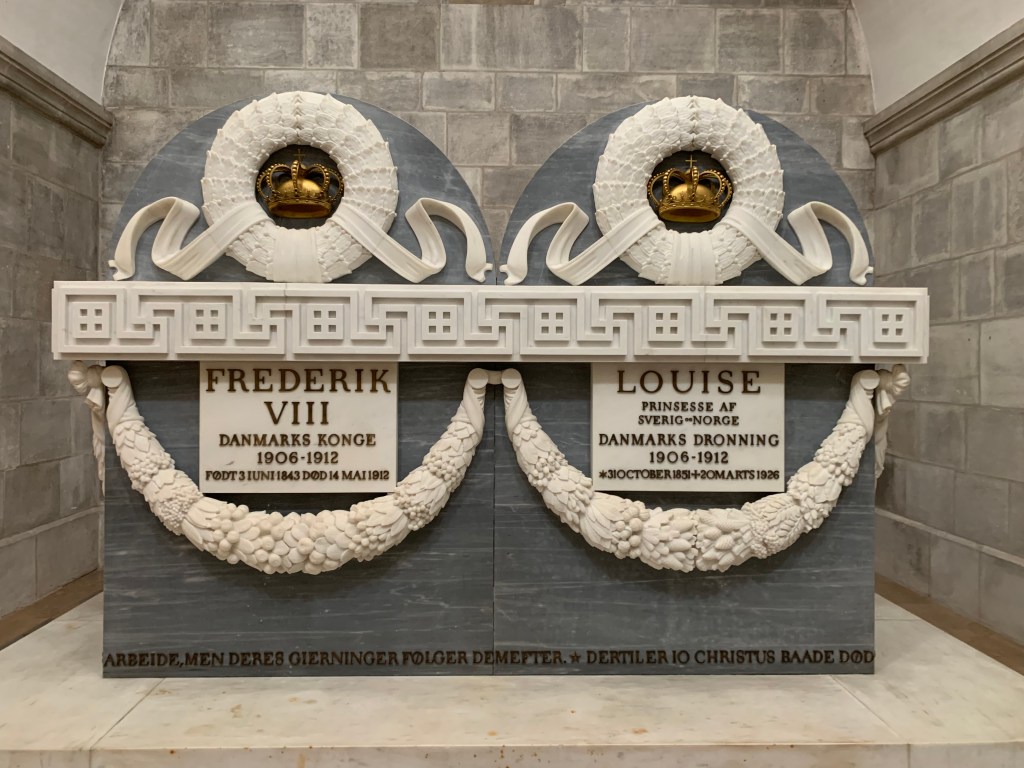
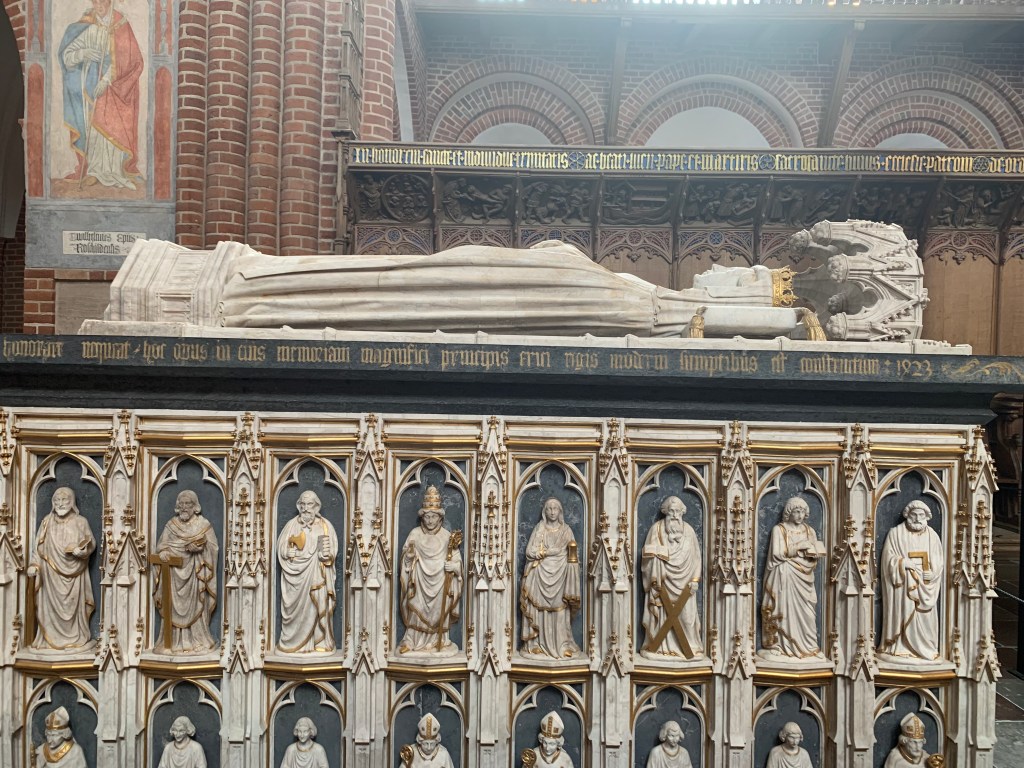
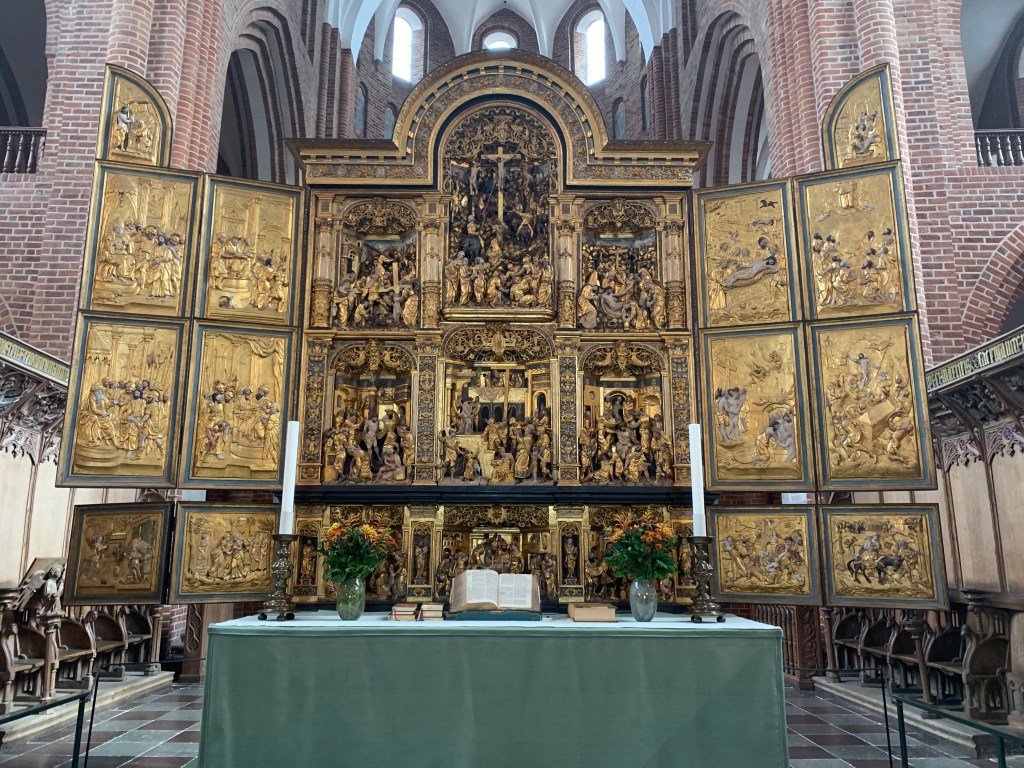
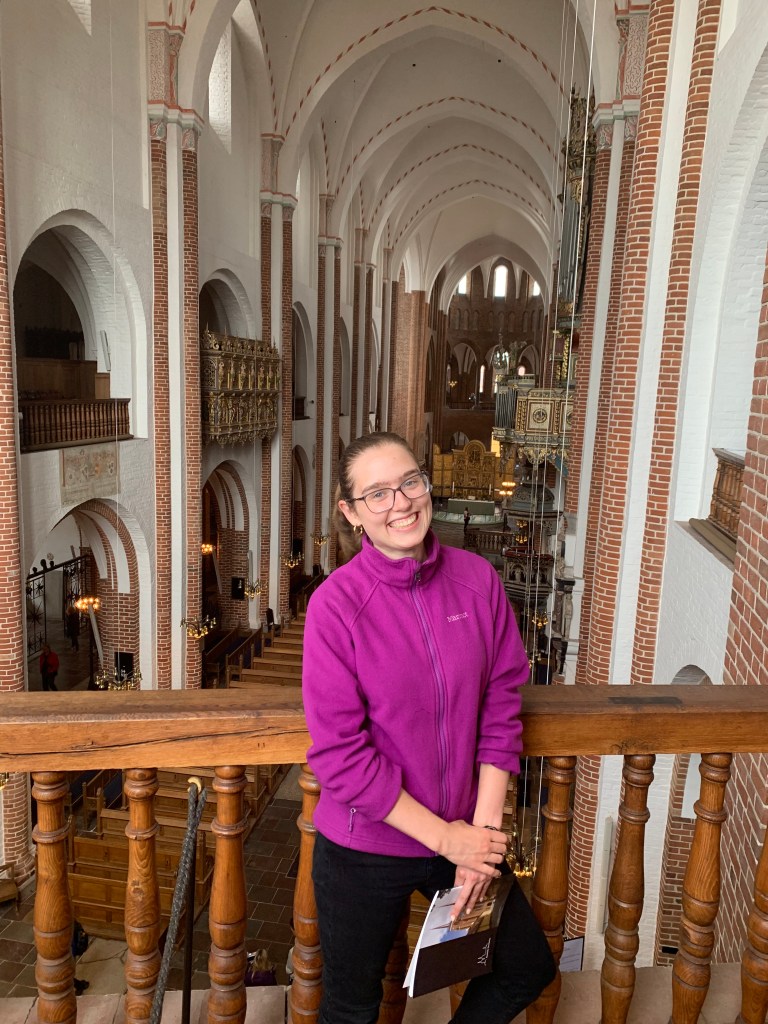
On Sunday, my host family and I traveled to Roskilde, a church west of Copenhagen, where the kings and queens of Denmark are buried. It was really lovely to get to go into the church, though also a little sobering. The church itself had impressive construction, and then different royals added on sections to be burial chambers for the next several generations of the family. Even before the church was added to, burials occurred in crypts and under the church floor, dating back even to the 15th century. We explored the church for a bit, seeing both the historical burial chambers and a model of Queen Margrette’s future coffin (no one can see the official coffin until the Queen’s funeral). My host mom also pointed out that in the church with us was the winner of the Great Danish Bakeoff show from several years ago! How wild! Once we finished looking in the church, we went to the Roskilde pier and ate “soft ice” – like soft serve, but with a distinctly marshmallow flavor.
The next week was Core Course Week at my program. My program has 2 travel weeks incorporated into it for one of our classes, our “core course,” which in my case is Polar Biology. This week, we went to Ribe and Fanø in Western Denmark to learn about the Wadden Sea. It was so incredible to hear about the Wadden Sea ecosystem! We not only learned about the ecosystem itself, we also discussed management concerns, how climate change will affect the region, the history of the area, and evolution.
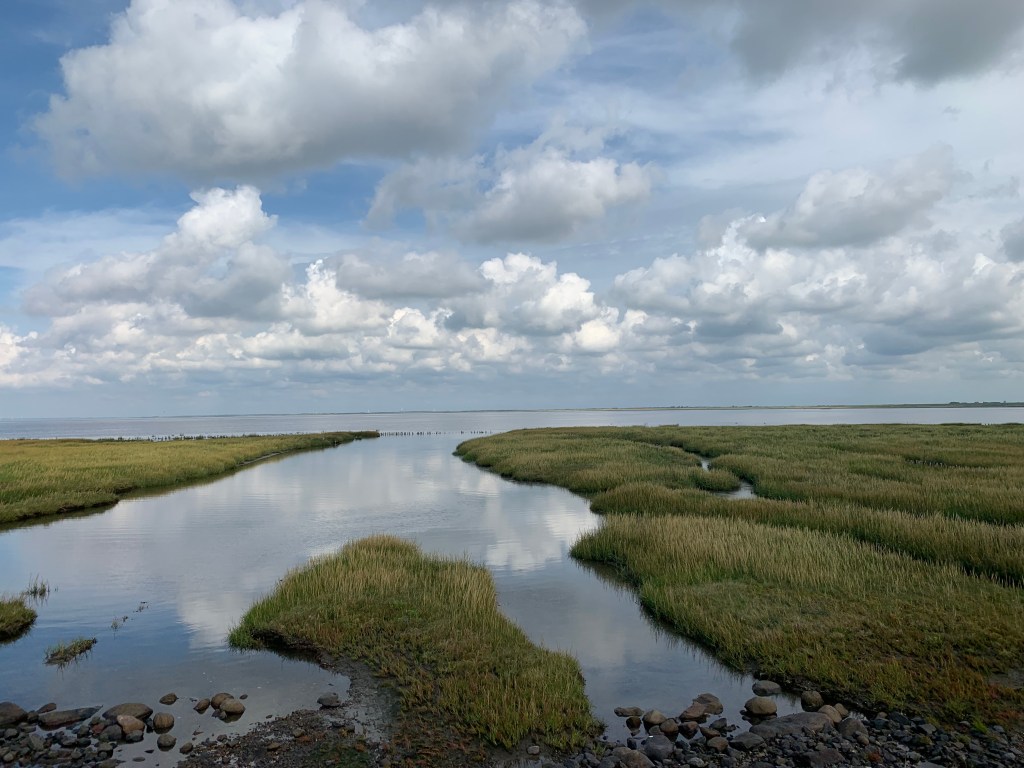
I have never been anywhere like the Wadden Sea, though it did remind me of Juneau in many ways. Some parts reminded me of the Wetlands or the shore by the Glacier, and the tidal patterns exposed and covered paths to different islands, much like Outer Point. However, the area as a whole is like a large mudflat, and the tide can actually travel several kilometers since it is so flat. It is well known as a stopping point for birds on their arctic migration path, and includes organisms such as crabs, worms, and muscles. The diversity of organisms is quite low, but it is a highly productive ecosystem, supporting a huge biomass (over 12 million birds pass through the area each year). Like many natural areas, the Wadden Sea has been troubled by a history of invasive species like the pacific oyster and American razor clam. These species are especially problematic as the Wadden Sea warms, because they are more fit in warmer environments compared to native species. Additionally, the rising sea levels and increased precipitation threatens bird species, who will struggle to find important resting sand dunes near their food.
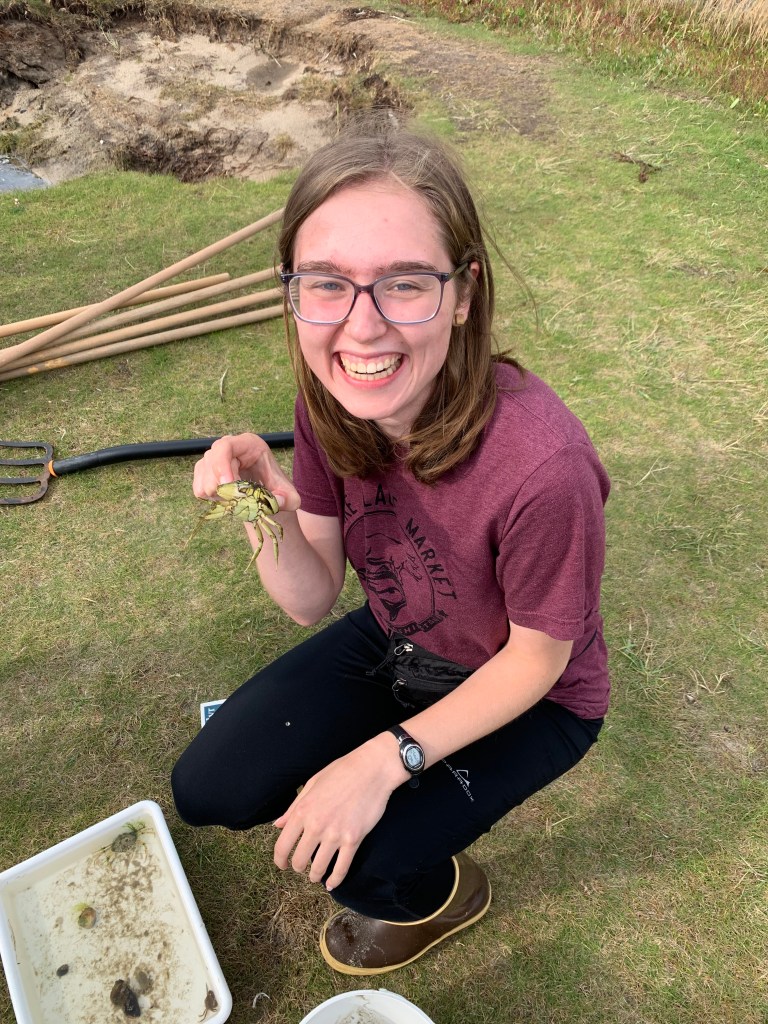
With a crab! 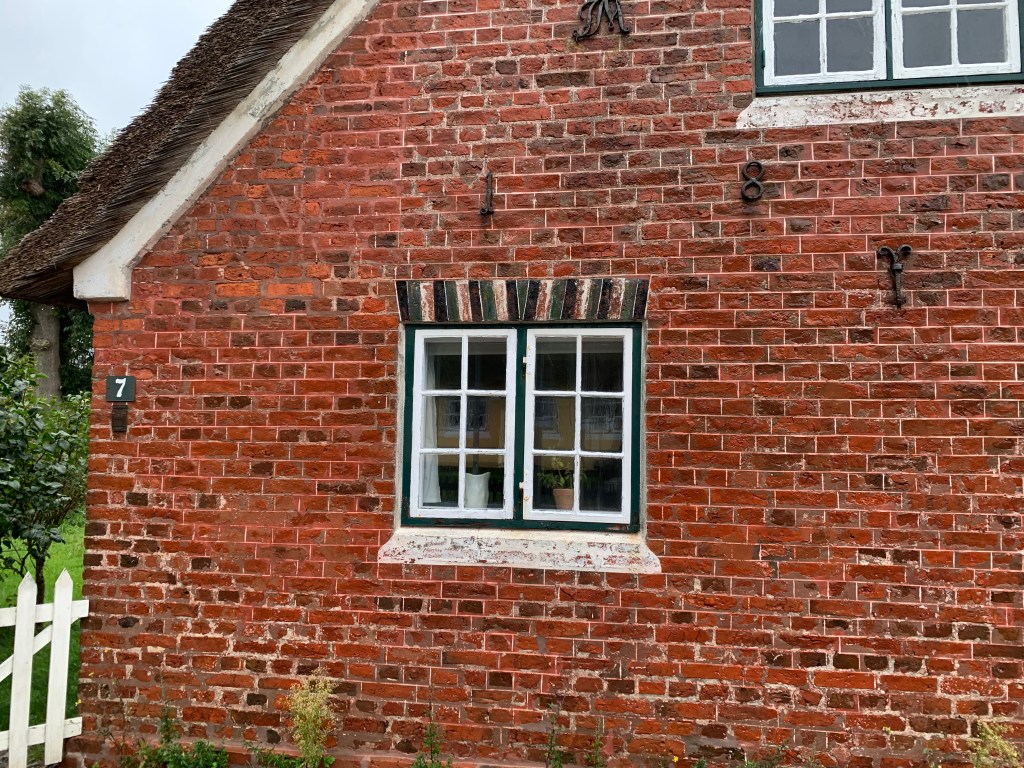
The “eyebrows” on Fano 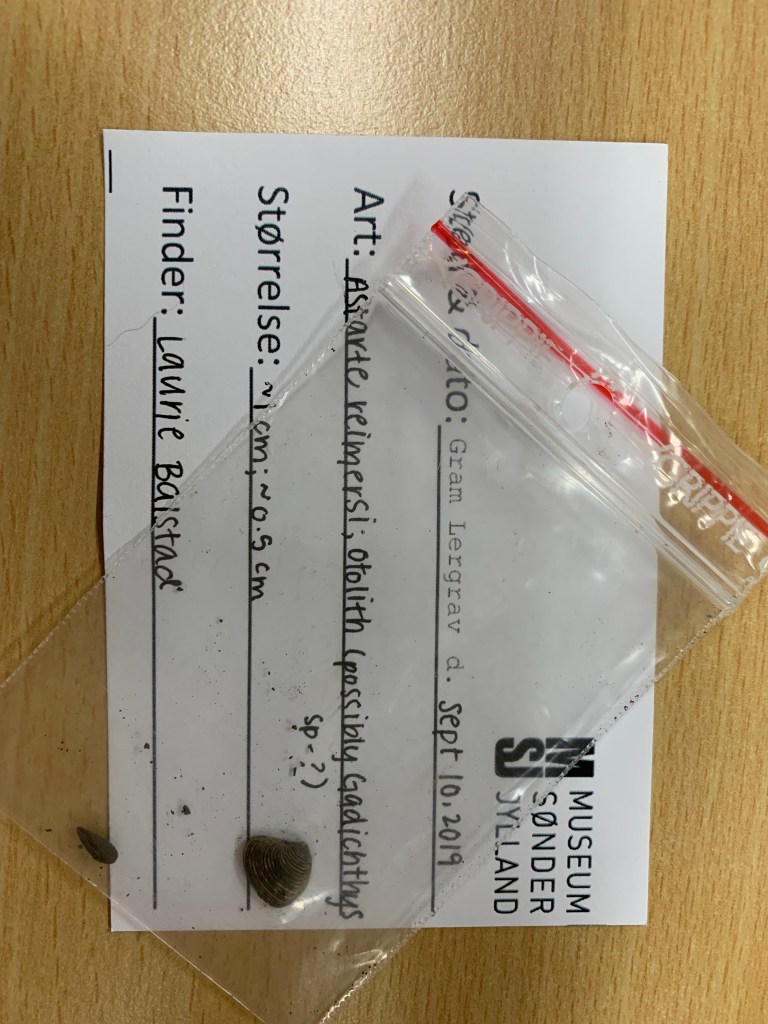
My fossils 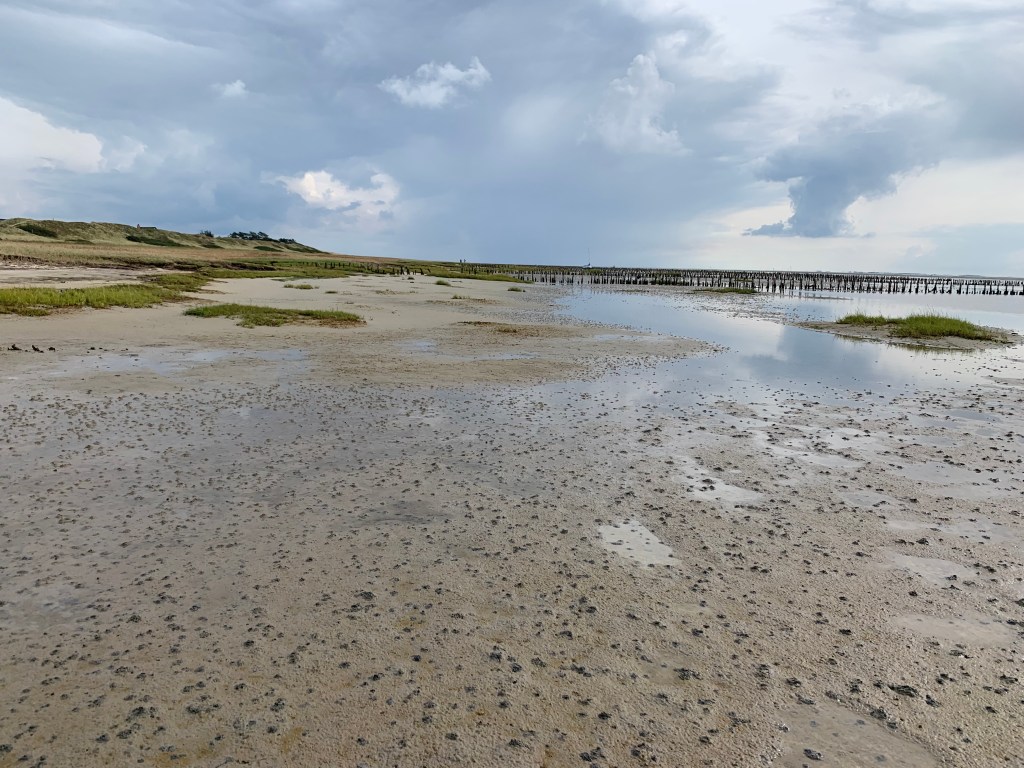
The Wadden Sea: Each sand pile is a worm’s home
We also got the opportunity to look into the past by examining and digging for fossils. Several million years ago, Western Denmark was actually a marine environment. Over time, the land became exposed, though some fossils remained scattered throughout the area in clay. During our digging, I found a small shell from a historic clam-like species, and an otolith! I was most excited about the otolith – since I have worked with them over the summer last year, it was so interesting to think that you could determine the fish’s personal age by counting the otolith rings just like a modern fish. Both were about 10 million years old – certainly some of the oldest things I’ve ever held in my hands! Overall, I feel so lucky to have been able to have these amazing experiences.
Things I’ve learned so far:
- Danish is a really difficult language. Seriously.
- Locals know all the best spots – I would have never found the Wadden Sea if not for my professor!
- Time with friends and family makes the days better ❤
 Copenhagen Adventures