
I spent my past week in Tromsø, Norway, with my Polar Biology class. It was a really special experience and one of my favorite things about Tromsø is how much it reminds me of home, I might describe it as if Juneau and Fairbanks had a baby in Norway.
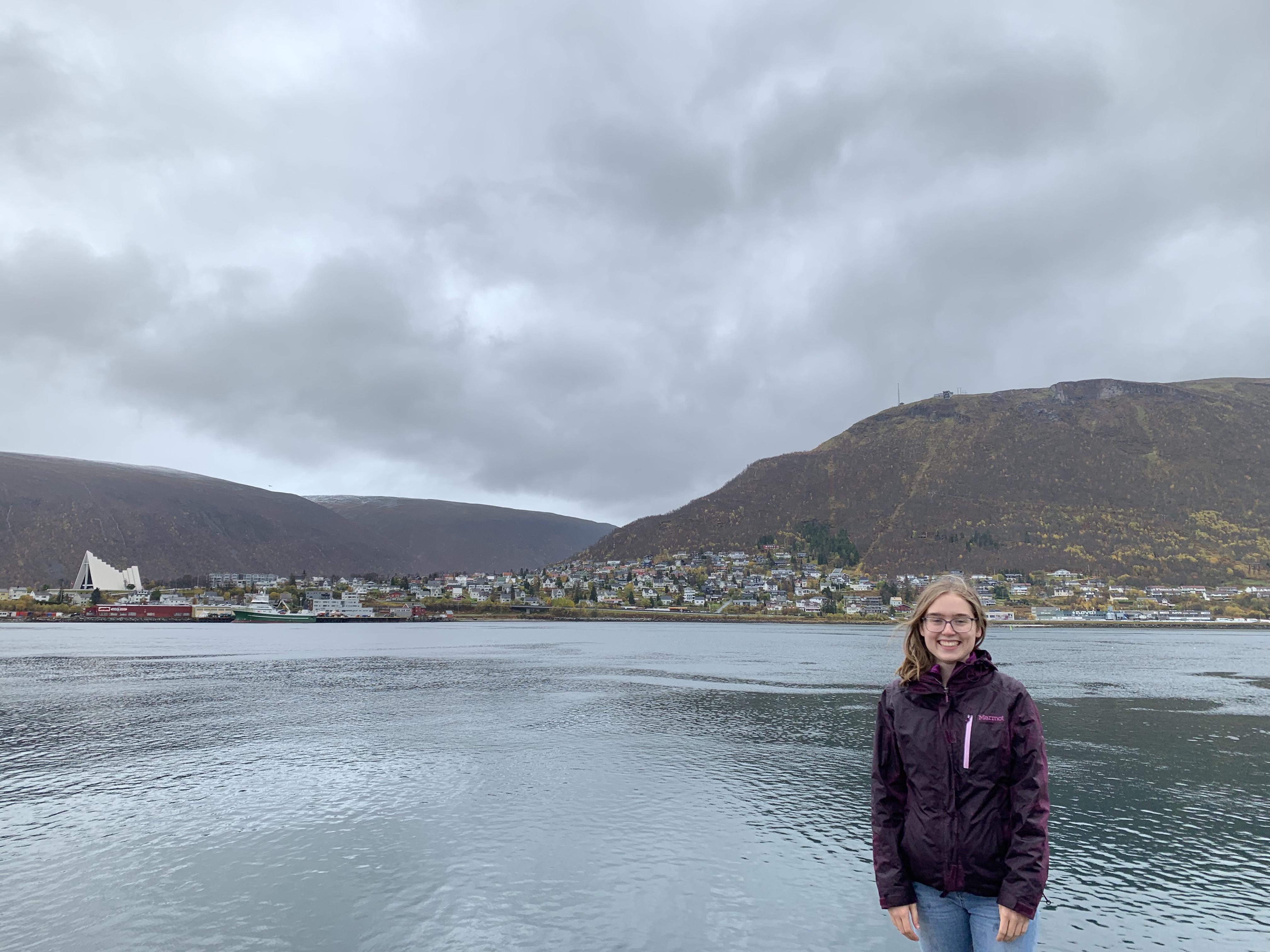
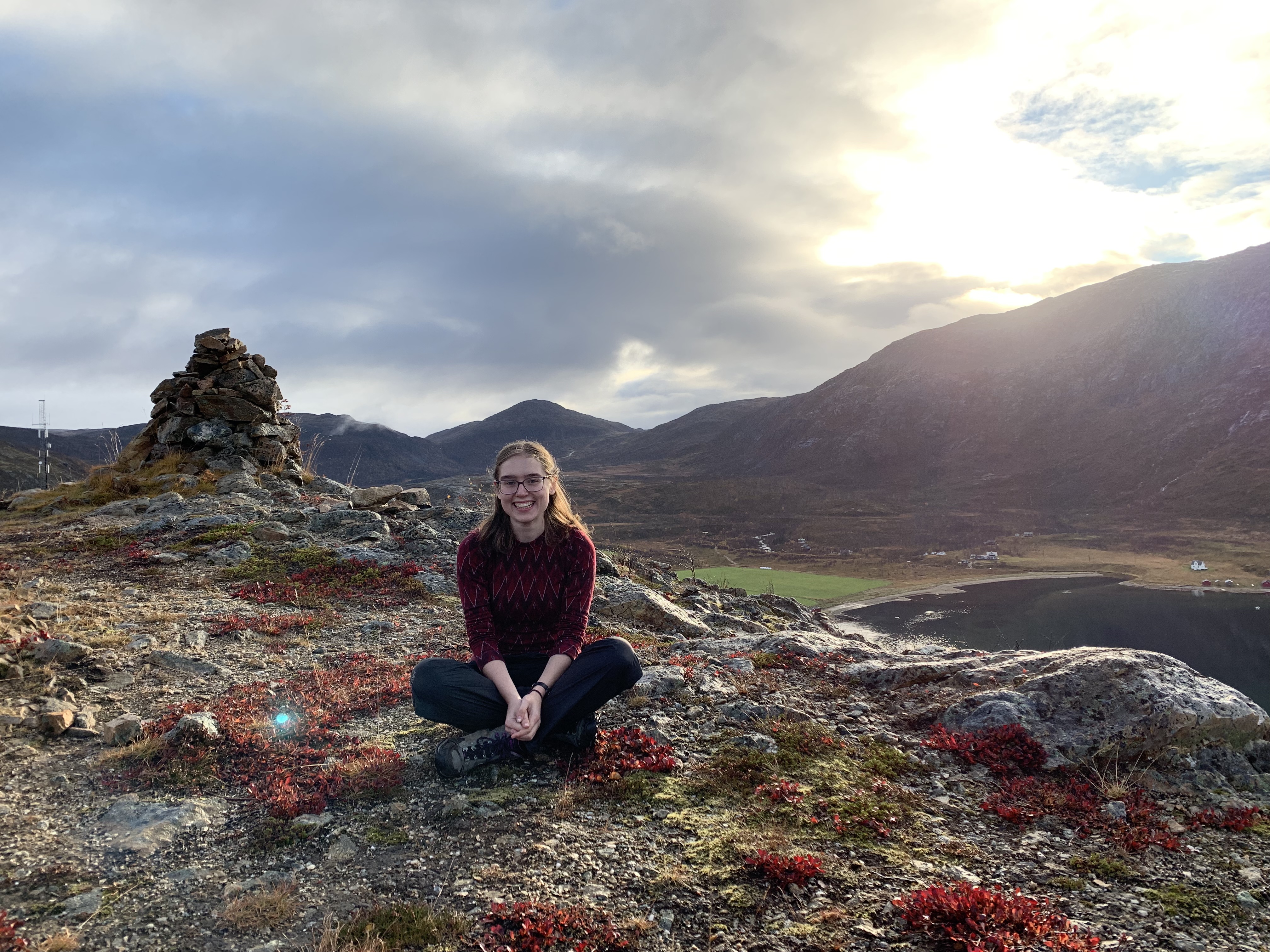
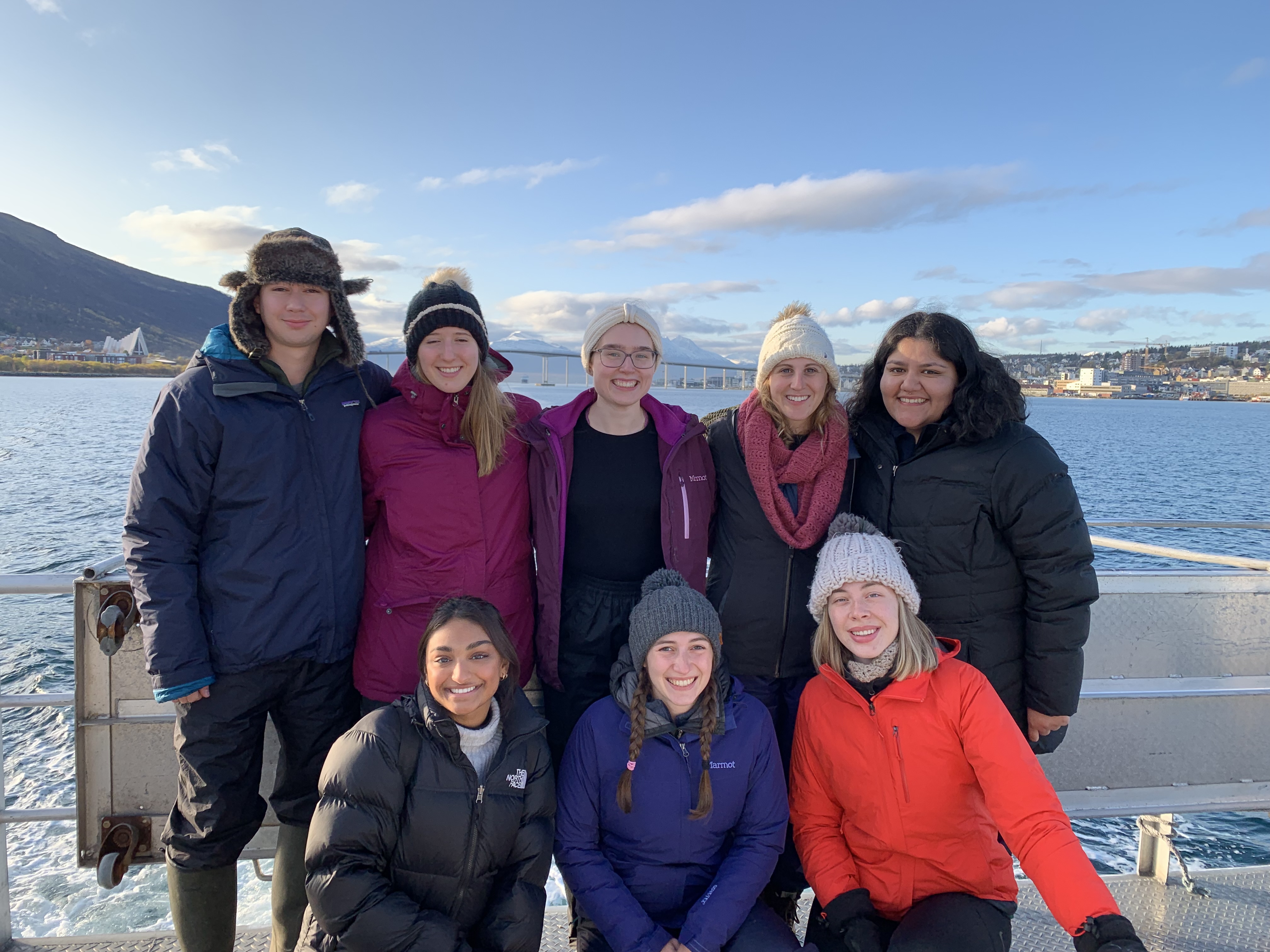

The physical activities we did in Tromsø mirror many of the activities from Alaska. We went hiking around an alpine environment, fishing and surveying between islands, searched for northern lights among the constellations, and talked with Sami reindeer herders. In Juneau, these activities might be matched with more fishing and hiking (by the glacier or through temperate forest), and learning from Tlingit people. Seeing similarities between my home and Norway so clearly is a powerful part of study abroad.
Finding places of understanding like this allows us to grow as humans and consider new perspectives. I saw the importance of this most clearly in my visit with the Sami family. The Sami are an indigenous reindeer herders in the far North of Norway, Sweden, Finland and Russia. Historically, ethnic Scandinavians have discriminated against the Sami people, and today, the remains of this discrimination can be seen in how legislation created by Norwegians affects the Sami people.
The creation of national boarders between Norway, Finland and Sweden is one example of this. Reindeer herding requires movement to the coast in the summer and the mainland in the winter to allow the reindeer access to ice free food. But, when the boarder was created, the Sami lost access to either summer or winter feeding grounds. These boarders did not consider the needs of the Sami herders, instead being arbitrarily drawn by kings in the south. Additional modern regulations, which aim to manage herders, limit their movement and herd size without clear reasons (to the Sami) because they are often created by people who do not understand herding or Sami culture. We can see these same issues around the world, when legislative bodies become so removed from the problems and the people that their solutions are ineffective.
Without learning about and understanding the needs of others, it is easy to think we know best, and apply our own rules to them, even against their wishes. This is why modifying the “Golden Rule” is so important: Treat others how they want to be treated. Finding similarities is one way to think about what others need, and allows us to begin discovering differences. It lets us feel at home while increasing our understanding about both our own and others’ homes. Studying abroad, helps me recognize how small and similar the world can be, if we just get a chance to find new places and meet new people.
What I’ve learned so far:
- I might just return to Tromsø to keep studying!
- Listening to the needs of others is more beneficial than assuming their needs.
- You can find home everywhere
 Copenhagen Adventures